Residential foundation
Months 1–6. Participants live in a peer-based therapeutic community. They begin twelve-step work with a sponsor, attend recovery and life-skills classes, meet with a case manager, seek employment, and begin restitution.
Lighthouse Recovery Services offers an 18-month, peer-supported program for men and women ready to build a life in recovery.

Questions about the program, availability, or taking the first step.
(270) 689-4025The program begins with six months in a residential therapeutic community, followed by two six-month aftercare phases that support independence without cutting off connection.

“Longer-term recovery creates room for new behaviors, new relationships, and a new way forward.”
We help men and women move from substance use toward stable, self-directed recovery through a long-term therapeutic community.
At Lighthouse, participants are not expected to change alone. Peers learn to recognize harmful patterns, speak honestly, receive feedback, and practice healthier choices—while staff and case managers guide the process.
The structure of the program supports recovery in everyday life: working with a sponsor, attending twelve-step meetings, learning practical life skills, finding employment, addressing restitution, and remaining connected through the transition out of residential living.
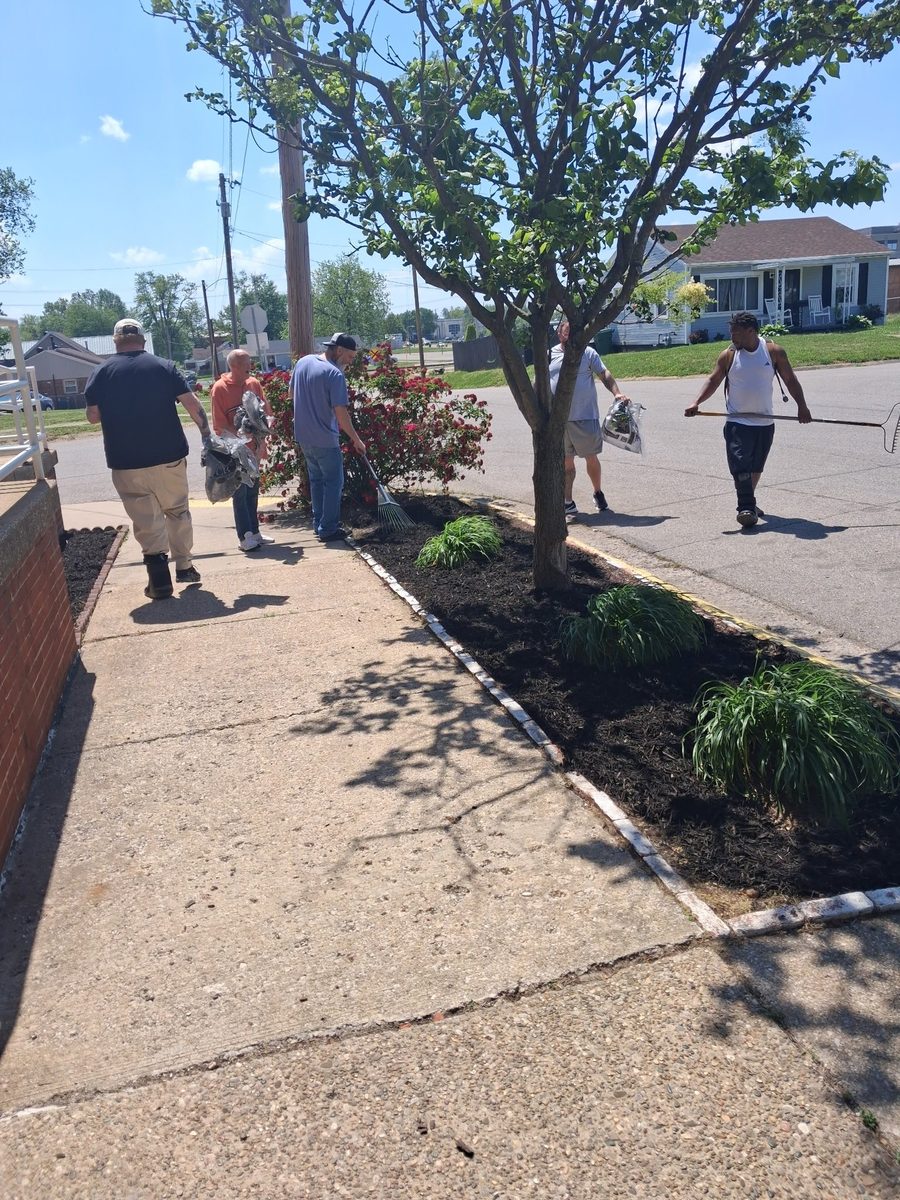
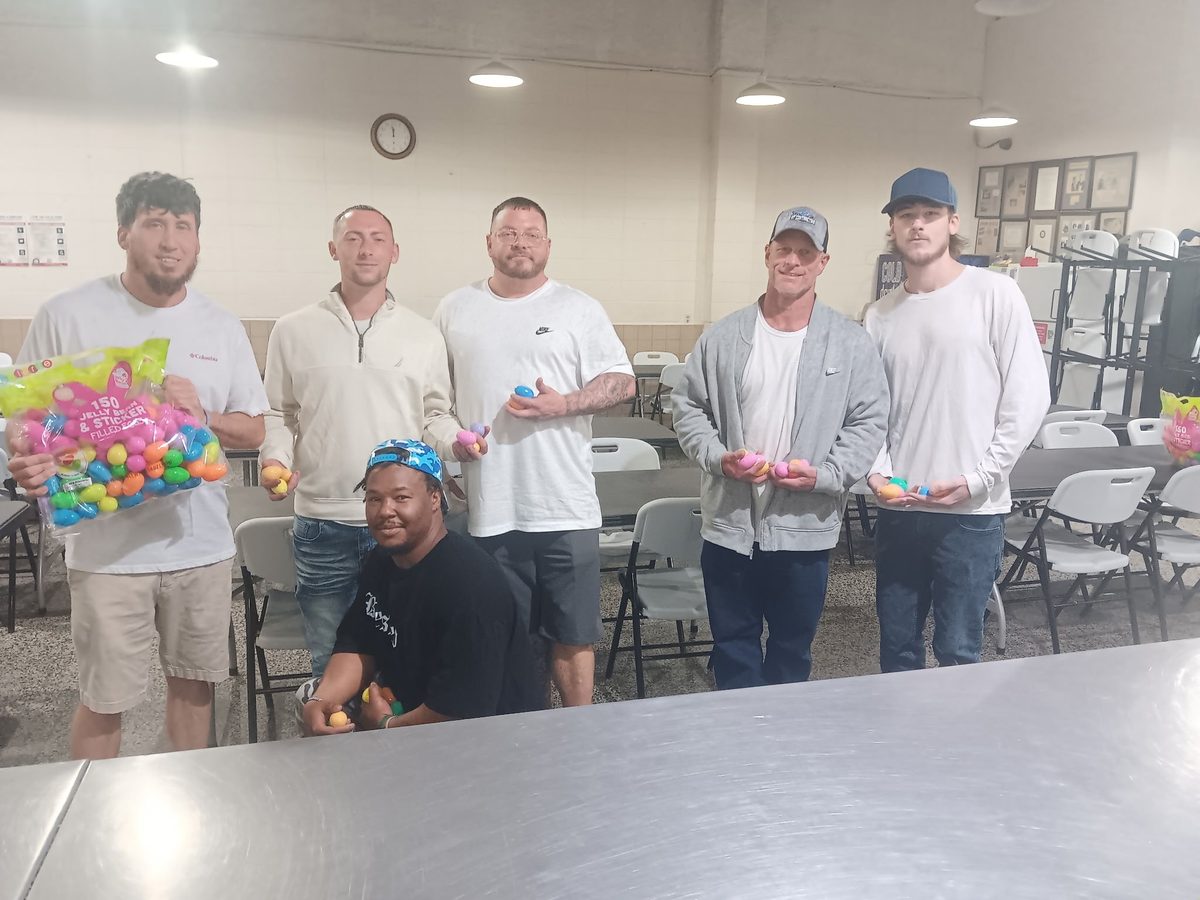
Service projects, cookouts, fellowship nights, and community outings — life at Lighthouse is something we do side by side.
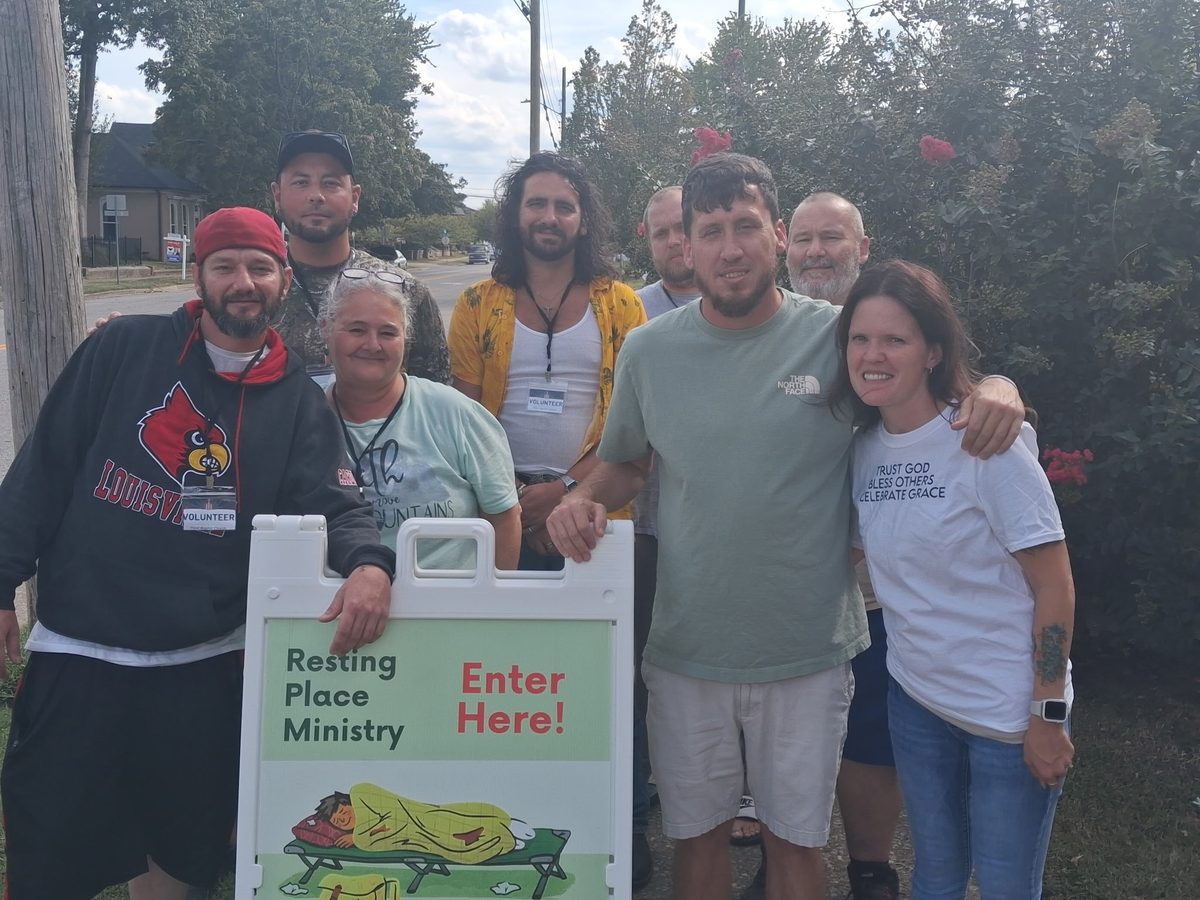
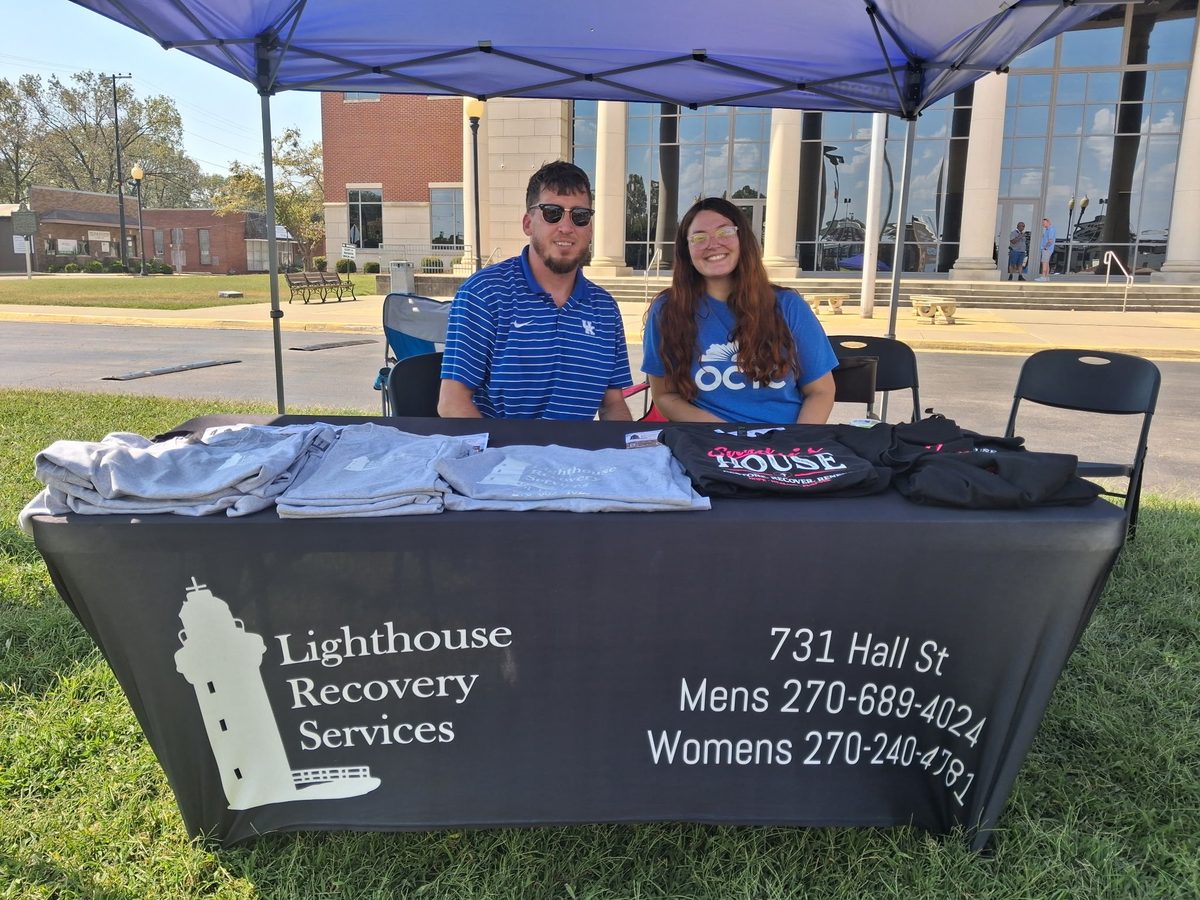
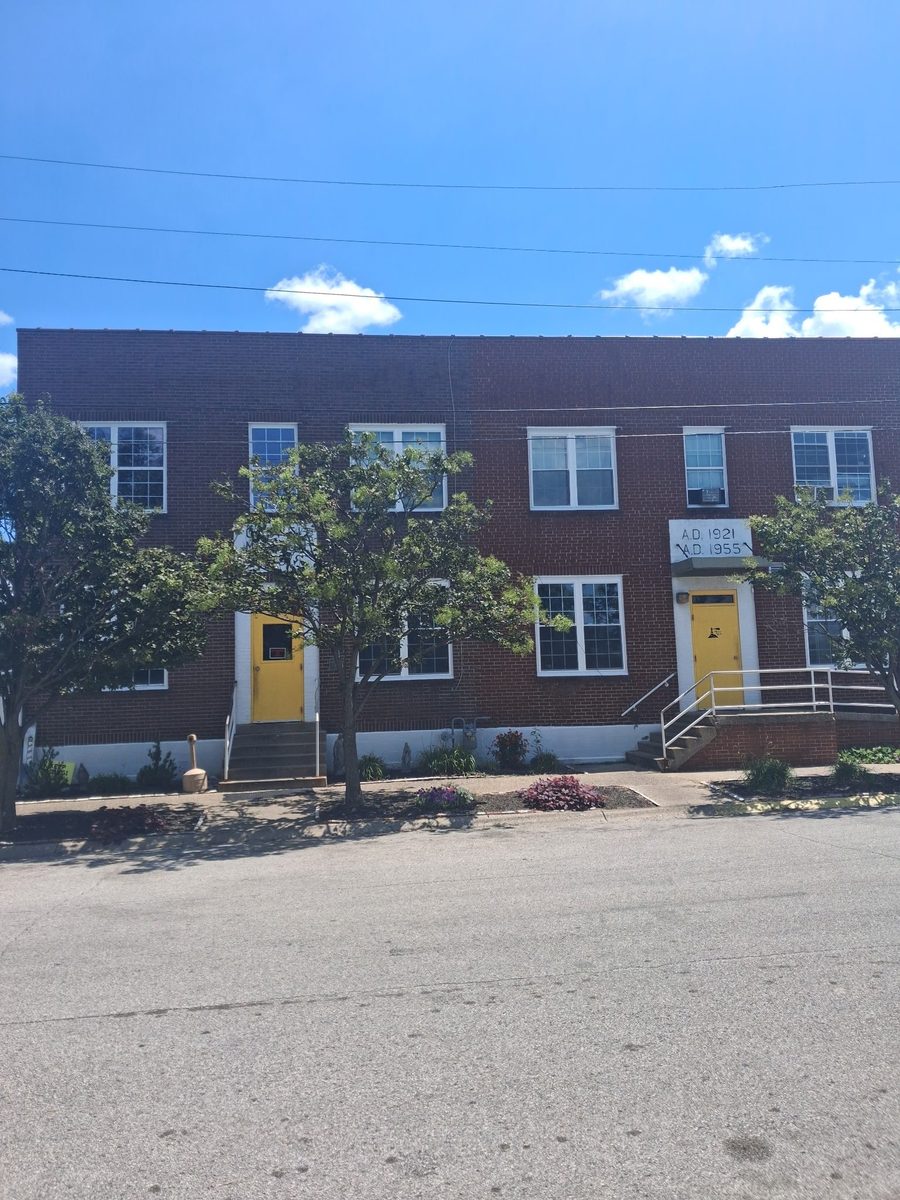
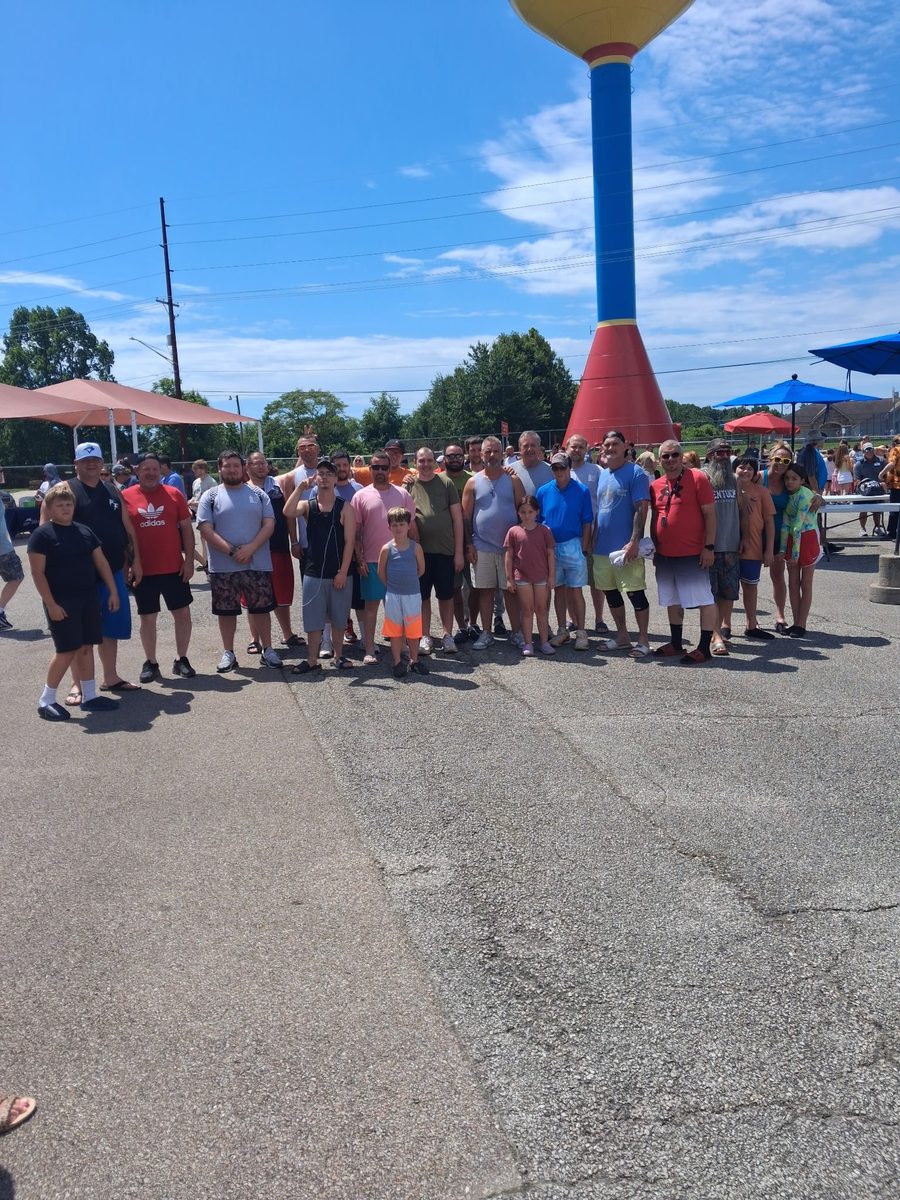
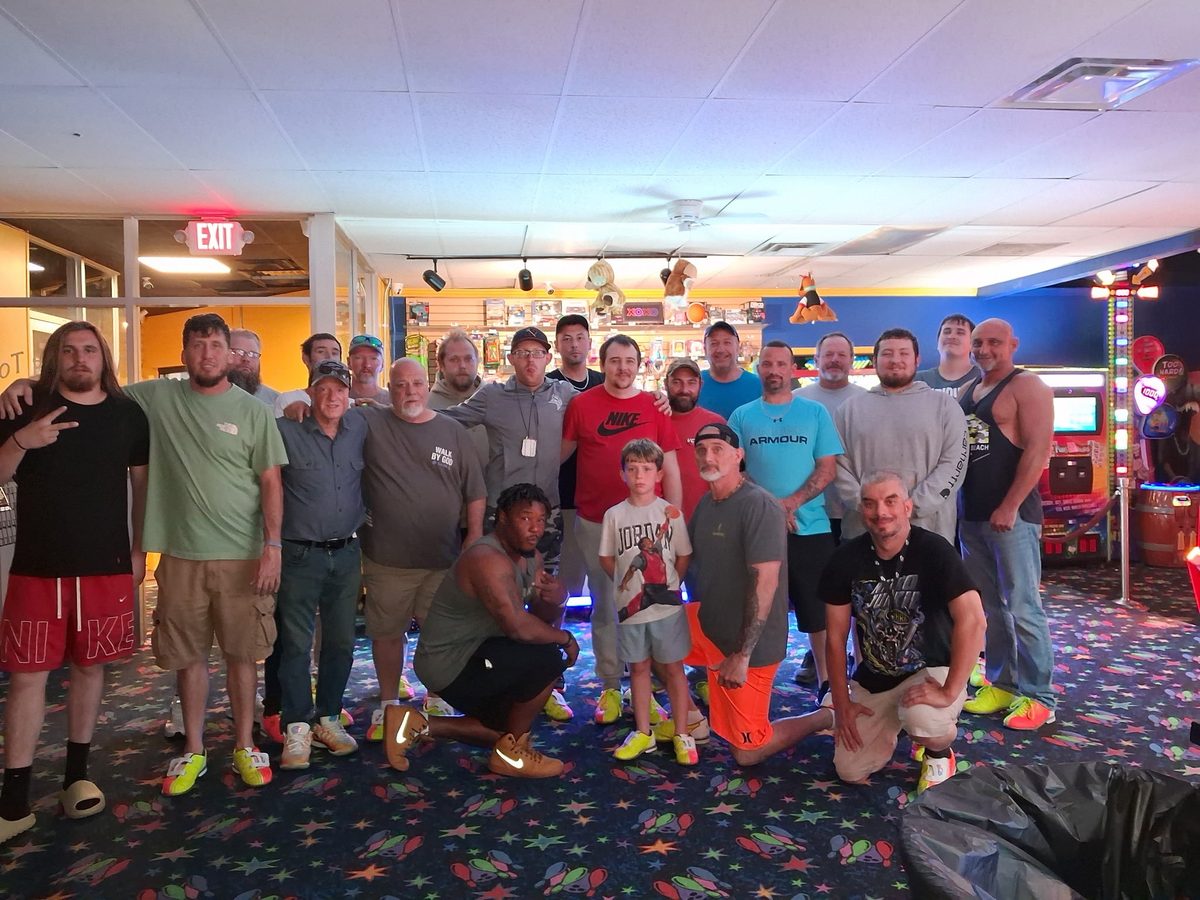
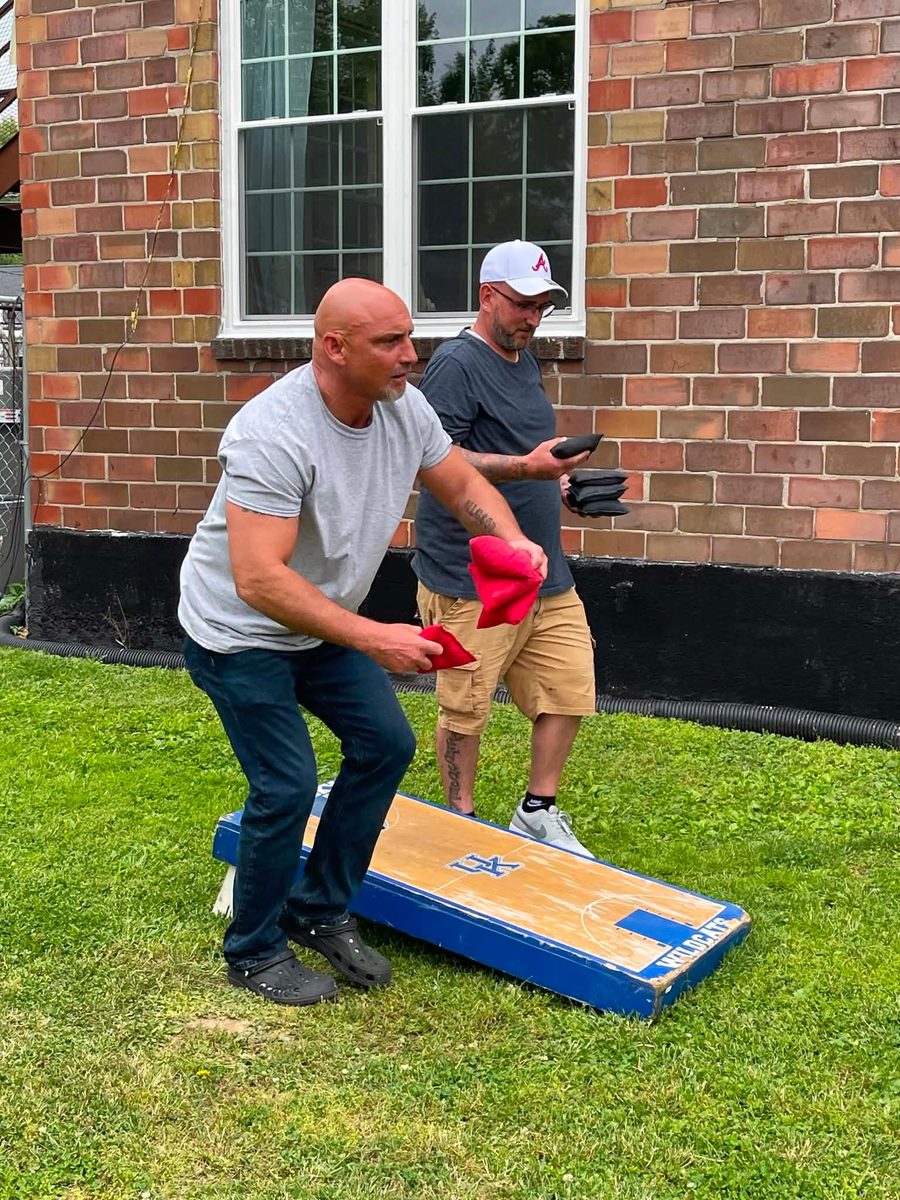
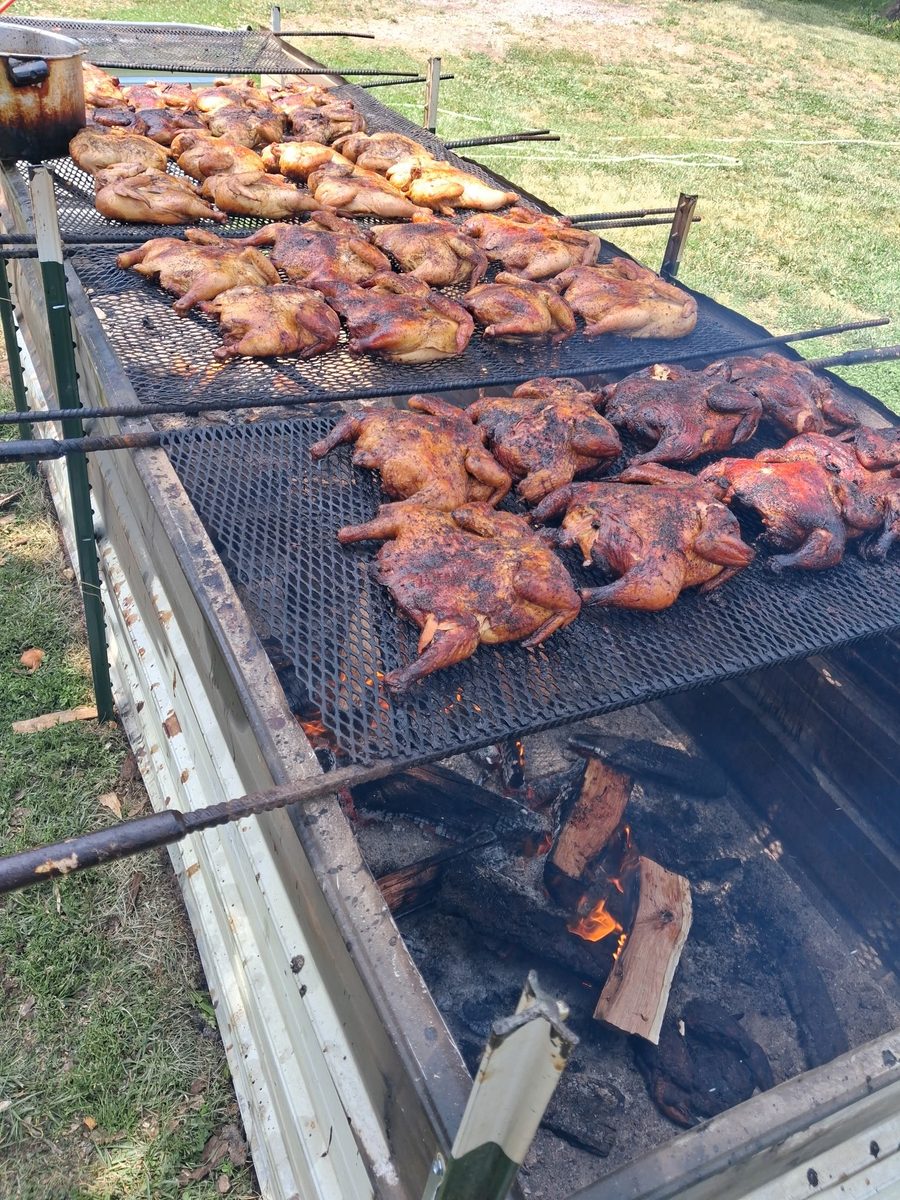
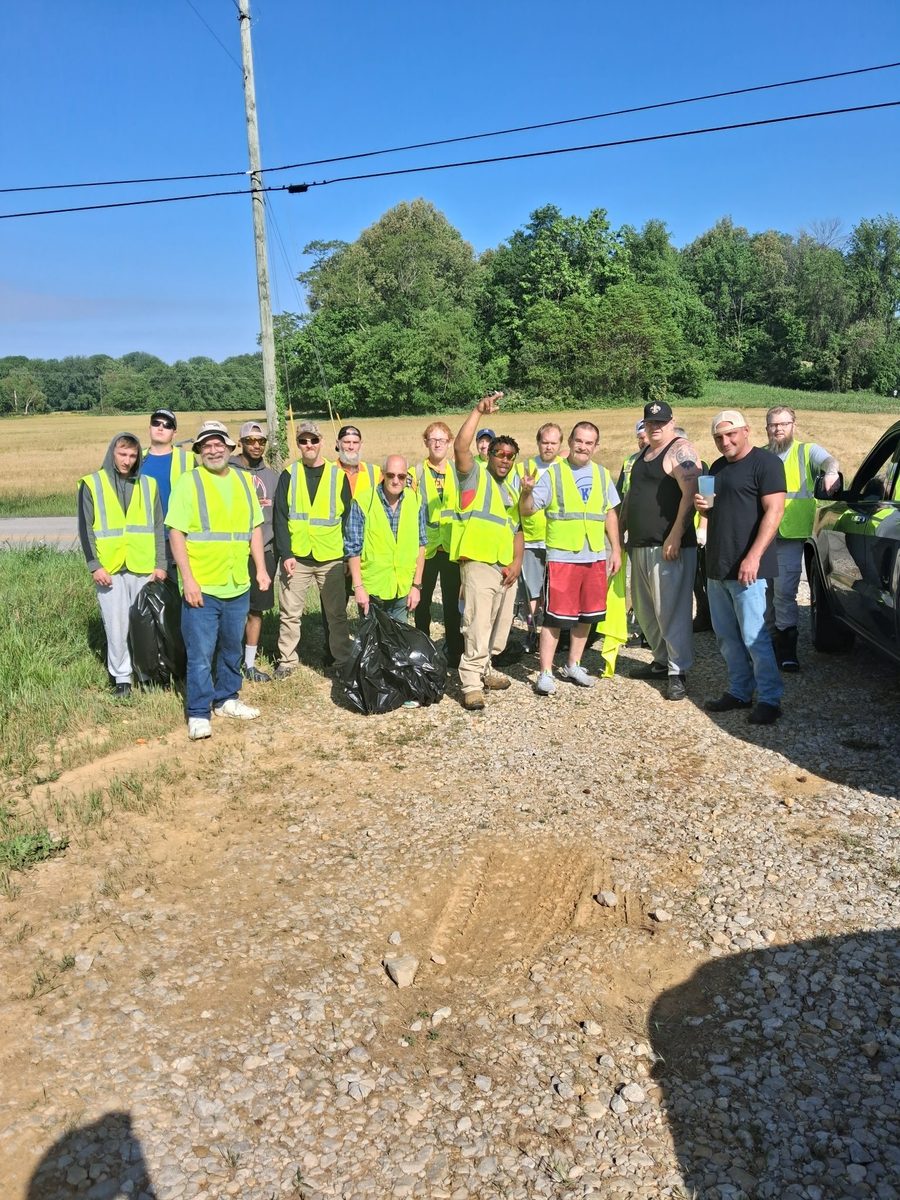
Residential structure comes first. Two levels of aftercare follow, so participants can practice independence while staying connected to recovery support.
Months 1–6. Participants live in a peer-based therapeutic community. They begin twelve-step work with a sponsor, attend recovery and life-skills classes, meet with a case manager, seek employment, and begin restitution.
Months 7–12. Participants move out of the residence, remain employed, continue twelve-step recovery, return for classes, and work with case managers through the challenges of greater independence.
Months 13–18. Meeting and class requirements ease as stability grows. Participants continue their recovery and are encouraged to facilitate a class or mentor someone earlier in the journey.
The women’s residential program provides the structure, peer community, and case-management support of the first six-month phase.
(270) 240-4781The men’s residential program offers the same long-term foundation through therapeutic community, recovery work, classes, and accountability.
(270) 689-4025Call during office hours for a confidential screening, current availability, and the exact intake guidance that applies to you.
Placement is not automatic. Staff must confirm fit, readiness, bed availability, and any health or safety requirements during screening.
Because intake needs can vary, confirm the exact list with staff before packing. Be ready to ask whether you should bring:
Do not arrive with alcohol, non-approved drugs, weapons, or valuables. Staff can explain additional house rules during screening.
The office is open Monday–Friday, 8 a.m.–5 p.m. If it is safe to wait, leave a voicemail and call again the next business day. If you need immediate emotional or substance-use support, call or text 988 or call SAMHSA at 1-800-662-4357. For a medical emergency or immediate danger, call 911.
Community support helps Lighthouse provide residential structure, classes, case management, and continued connection through aftercare.

Point your phone camera at the code to give through PayPal.
Make arrangements with staff or deliver support during office hours.
731 Hall StreetVolunteers, mentors, goods, and professional services can all make a difference. Ask what is currently needed before dropping items off.
(270) 689-4025Call during office hours for program questions, admissions screening, current availability, or ways to support Lighthouse.
Call before arriving for admissions, donations, or appointments so staff can be ready for you.
The Lighthouse team provides leadership, case management, residential support, and day-to-day structure across both programs.

Executive Director
Men’s Supervisor
Case Manager
Women’s Supervisor